
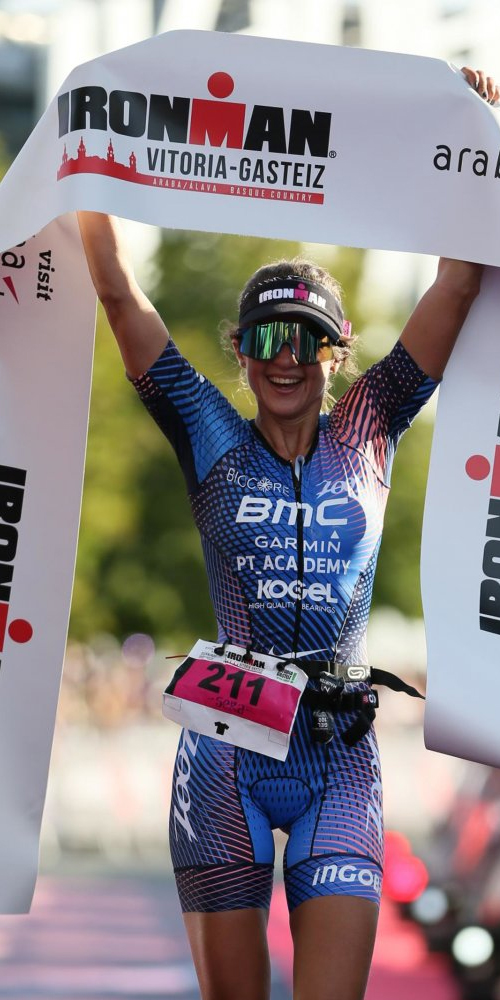
Triathlon is an endurance sport. It is a series of races performed in three challenging sports disciplines. These disciplines consist of swimming, cycling, and running, raced over various distances… Triathletes compete for the fastest overall completion time. The word is of Greek origin, coming from treis (three) and athlos (competition). The roots of the sport began in France in the 1920s, and by the late 1970s, sports clubs and individuals in the USA began to develop the sport and establish its rules. In our country, races began to be organized in Alanya in 1991.
Triathletes engage in focused, sustained, and periodic training for each of the three disciplines. They also require nutritional supplements that will make a difference in their training or races to gain endurance, strength, and speed.ingobiooffers natural options for athletes in terms of these nutritional supplements.
What Do Triathletes Eat?
Triathletes often exercise for more than an hour. Maintaining stable electrolytes and energy during training is one of the main concerns for athletes in this discipline. If the athlete's body does not have enough glycogen to get through heavy training or a race, it will start to burn fat for energy. Since fat is burned much slower than carbohydrates, the athlete will naturally slow down. This is a factor that hinders success in such an important discipline.
For intense exercises lasting over 90 minutes, women should consume 40-60 (avg. 50) grams and men 60-80 (avg. 70) grams of carbohydrates. Our PowerGel product sufficiently meets these bodily demands. For this, our Reco and Casein products may catch your attention.
Additionally, the electrolytes that are heavily excreted from the body during each activity should be taken seriously, and electrolyte water should be consumed instead of plain water. Our ingobio Electrolyte Sports Drink will provide tremendous benefits to the athlete in overcoming this issue. Because one packet (15 grams) of our product will provide you with the electrolytes found in approximately 35 liters of mineral water. This analogy should not be considered an overdose; the amounts are formulated according to the needs of athletes.
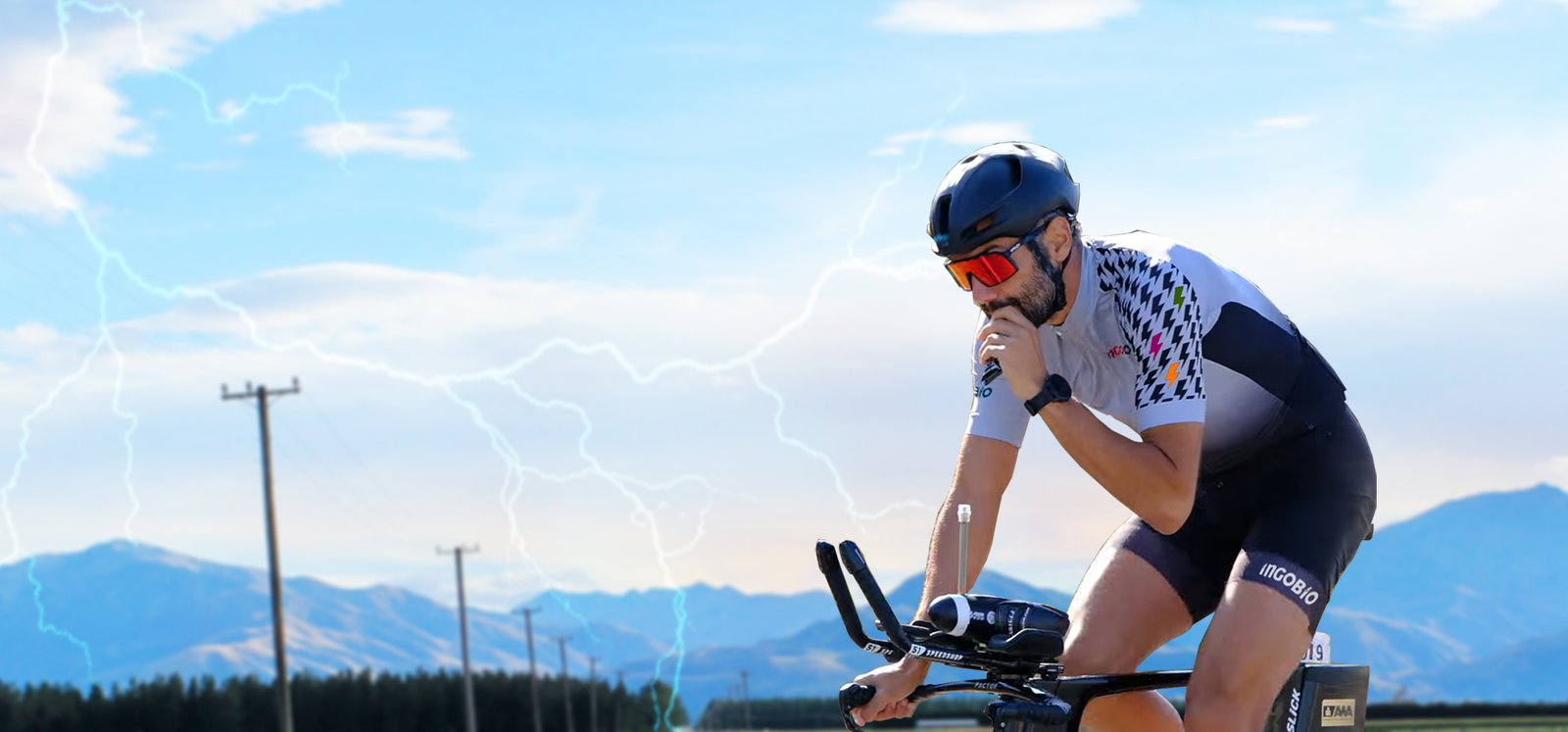
Since triathlon is an endurance sport, athletes should primarily plan meals that are high in carbohydrates and can use supportive ready protein products for their worn bodies after each exercise.
A typical daily menu for a triathlete may include:
Breakfast: Oatmeal with a glass of orange juice, granola, almonds, and blueberries
Training: Energy gel and Electrolyte
Lunch: Turkey sandwich on whole grain bread with tomatoes, low-fat cheese, and lettuce; side salad, low-fat milk, and a piece of fruit, Peanut butter crackers and a piece of fruit
Training: Energy gel and Electrolyte. Whey Protein for recovery after the second training.
Dinner: Fried tofu with a side salad. Yogurt fruit and vegetable smoothie
Pre-sleep: Casein-containing powder drink for structural repair during sleep (6-8 hours)
Continuous fluid intake should also not be forgotten. (5-6 L / 24 h)
You should continue to consume the electrolyte fluid you started before training during the training.
What is Triathlon? This word is of ancient Greek origin and refers to a sport where three disciplines are performed together. These disciplines are swimming, cycling, and running in succession.
 There are no products in your cart.